
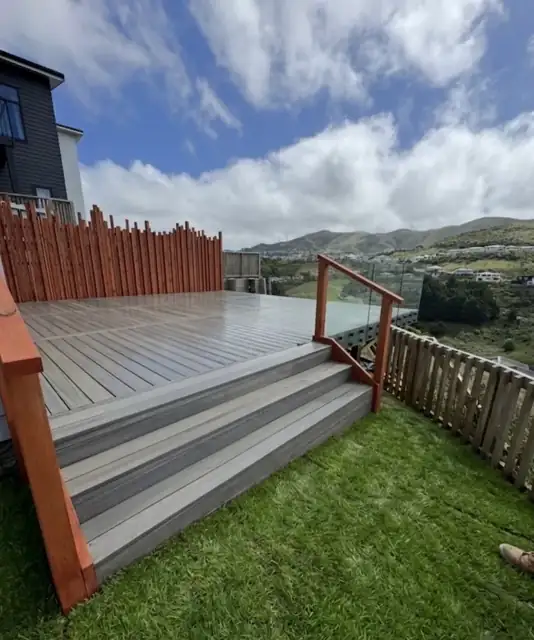
Start with the deck and finish you have
Use the decking guide for the wider design decisions. For maintenance, first identify the boards and any existing coating. Keep the product name, colour and previous application date if you have them. Those details help choose a compatible cleaner and maintenance system.
Walk around the deck from a safe position and note where it stays wet, where foot traffic wears the surface and where plants or furniture hold debris. Check the route from the house, steps and edges. If a board, step or barrier is loose or visibly damaged, keep people away from that area and arrange an assessment before cleaning work.
Do not test a suspect deck by bouncing on it or pulling against a barrier. Surface appearance cannot confirm the condition of hidden framing and connections. Where there are signs of movement, decay or damage, the building issue comes before cosmetic maintenance.
A practical timber deck maintenance routine
| Stage | What to do | What to record |
|---|---|---|
| Clear | Move light furniture where safe and remove leaves, dirt and loose debris. | Places where material repeatedly gathers. |
| Look | Check accessible boards, visible fixings, steps and barriers without testing their strength. | Damage, movement, corrosion or areas that stay wet. |
| Clean | Use a cleaner and method suitable for the timber and existing finish. | Product, dilution, method and date. |
| Dry | Allow the surface to dry as the cleaning or coating instructions require. | Weather and any areas that remain damp. |
| Review | Assess the clean, dry finish and decide whether maintenance coating or repair is needed. | Product advice, planned work and follow-up date. |
This order avoids putting a finish over dirt or missing a repair concern beneath surface growth. It also gives you a useful record to compare next time, especially on shaded or exposed parts of the deck.
Clean gently and follow the product system
Sweep first so grit and leaves are not worked into the surface. Read the cleaner’s instructions for suitability, dilution, contact time and rinsing. Test a small area where appropriate, protect nearby surfaces and plants as directed, and use suitable personal protection for the product.
Work in manageable sections with the recommended brush or applicator. Keep the area controlled while it is wet. Rinse as instructed and allow drying before replacing furniture or considering a coating. Take particular care around doors, wall junctions and other areas where water could be driven into the building.
High-pressure cleaning can damage timber or disturb a finish, and some hardwood suppliers advise against it. Use the board and coating manufacturer’s method rather than assuming more pressure gives a better result. If the existing finish is peeling or unfamiliar, get advice on preparation before cleaning aggressively.
Green growth or a slippery patch can return when the cause remains. Read the slippery deck guide for the difference between surface cleaning, persistent dampness and repair work.
When does the finish need attention?
Assess the coating after the deck is clean and dry. Look for uneven wear, loss of colour, peeling or areas where the surface behaves differently. Compare the condition with the product’s maintenance instructions. Different coatings use different preparation and recoat methods, so one calendar interval will not suit every deck.
Before recoating, identify whether the existing system is compatible with the proposed one. A product labelled oil may be water-based or oil-based, and a stain can also use different formulations. Our deck oil versus stain guide explains what to compare on the product information.
- Confirm timber and existing coating compatibility.
- Complete the specified cleaning, stripping or sanding preparation.
- Check moisture and drying requirements for the selected system.
- Choose a weather window covering application, drying and rain protection.
- Apply the specified coats and coverage, avoiding unapproved shortcuts.
- Keep people, furniture and pets off the area for the required period.
Do not add an extra thick coat to compensate for missed preparation. Follow the product instructions for application and recoat timing. If rain or another interruption affects the job, use the manufacturer’s recovery advice.
Keep an eye on damp areas and building details
Move pots and furniture periodically where practical to clear trapped leaves and check underneath. Keep visible drainage paths clear without changing the designed board spacing or drainage details. Trim back nearby planting where it is contributing debris or stopping the area from drying, while keeping safe access for the work.
Look at the places where the deck meets the house, around steps and beneath frequently used doors. Persistent wetness can point to a drainage or building-detail issue that cleaning alone will not solve. Photograph the area after rain as well as in dry weather to show the pattern.
Visible split or soft boards, loose steps, unusual movement and corroded or loose connections need attention. A deck may have more going on beneath the boards than a surface inspection reveals. Ask for a building assessment where the concern affects support or safety.
Replacing a board is also a chance to understand why it deteriorated. The repair should address the underlying cause and use a suitable specification, rather than repeatedly replacing the same wet patch.
A seasonal care record for your deck
Use seasonal changes as reminders to look at the condition, with extra checks after significant weather or when you notice a change. In Wellington, exposure can vary greatly between a sheltered courtyard and an open hillside. The actual deck condition and product guidance should set the maintenance work.
| When you check | Useful focus |
|---|---|
| Before regular summer use | Clean, assess wear, check furniture positions and plan any finish work around a suitable weather window. |
| As leaves accumulate | Clear debris from boards, steps and accessible drainage paths. |
| Through wetter periods | Watch shaded areas, recurring growth and places where water remains. |
| After unusual weather or a change in feel | Record damage or movement and keep people away from suspect areas pending assessment. |
Keep a simple entry with the date, photos, observations, products used, work completed and next action. Add product care sheets and any repair details. This record helps you see whether an issue is new, recurring or becoming worse.
If maintenance points to a larger replacement, use the deck building cost guide to compare the full scope. If the deck remains sound, targeted care and timely repairs can keep the existing space useful without turning every cleaning task into a rebuild.
Your questions
How often should I maintain a timber deck?
Check its condition regularly and use seasonal changes as reminders. Cleaning and recoating frequency depend on exposure, use, timber and the coating manufacturer’s instructions.
Can I pressure-wash a deck?
Check the timber and coating guidance first. High pressure can damage timber or finishes, and some suppliers advise against it; a suitable cleaner and gentler method may be the right approach.
Can oil fix a soft or rotten board?
No. A coating does not restore a damaged structural component. Keep people away from suspect areas and have the damage and its cause assessed.