
Prepare for the final walkthrough
Use the agreed scope, drawings and recorded variations as your reference. Bring a phone or camera, a way to take notes and the names of products or selections you want to confirm. Choose a time when the relevant work can be seen clearly and the builder can explain it.
The home renovation guide covers the project from the first brief. At handover, your task is to understand what has been completed, what remains and how the completed work should be used and cared for. A walkthrough and formal building-consent completion are related but separate parts of finishing a project.
Use this page as a printable planning checklist. Tick items relevant to your scope and mark others as not applicable. It is a record for the discussion, not a certificate that the work meets every technical requirement.
Room-by-room renovation completion checklist
| Area | Walkthrough checks |
|---|---|
| Walls, ceilings and floors | Look at the agreed finishes, junctions, visible damage, edges and areas where new work meets old. |
| Doors and windows | Ask for normal operation to be demonstrated, including latches, locks and any supplied keys. |
| Cabinetry and storage | Open doors and drawers, check handles and shelves, and compare the installed selections with the agreed schedule. |
| Kitchen and laundry | Confirm appliance information, access to relevant controls and connections, and the care of benches and surfaces. |
| Bathroom | Ask about shower use, drainage access, ventilation, surface care and any curing time still required. |
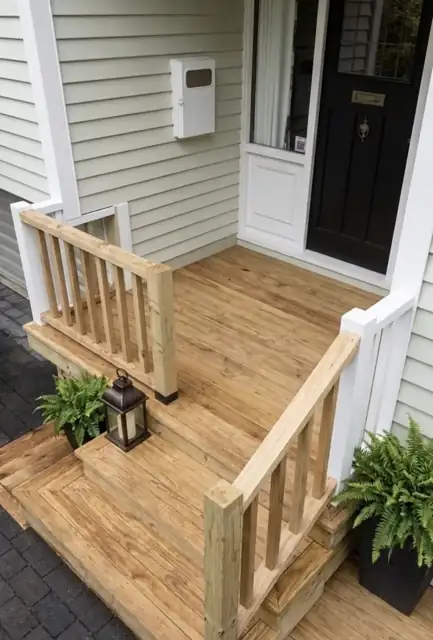
| Exterior work | Review the agreed finishes, drainage details that can be seen safely, steps, access and making good. |
| Work area | Confirm removal of agreed waste, cleaning and the condition of areas affected by access or storage. |
Observe normal use with the builder. Do not climb onto roofs, remove electrical covers, load-test structures or dismantle work to inspect it. Technical inspections and trade verification need the appropriate people.
Ask for a demonstration, not just a manual
Have unfamiliar fittings, controls and appliances demonstrated where they are part of the scope. Ask where the relevant instructions are kept and what routine care is needed. This is a good time to identify a control that is hard to reach or a door that does not operate as expected.
- What can be used immediately, and what needs more curing or drying time?
- Which cleaners are suitable for the installed surfaces?
- How are accessible filters, drains or ventilation controls maintained?
- Where are the relevant shut-offs or controls, and who should service them?
- What signs of a problem should prompt a call?
Keep the answers with the product documents rather than relying on memory. The care routine for a particular shower, coating or benchtop can differ from a previous product you have used.
Collect the handover documents
| Document category | What to confirm |
|---|---|
| Project record | Final drawings or agreed scope, selections and approved variations. |
| Consent completion | The status of required inspections and the code compliance certificate process for consented work. |
| Trade documentation | The relevant certificates, records or warranties for the work and products supplied. |
| Product information | Model numbers, operating manuals, care instructions and warranty details. |
| Maintenance | Recommended checks, care schedules and any product-specific restrictions. |
| Contacts | Who handles outstanding work, product support and later concerns. |
Agree who will provide each document and note anything still outstanding. For consented work, use MBIE’s project completion guidance to check the council completion requirements and the status of the code compliance certificate separately from the visual walkthrough. Keep the council and project records together.
Use the renovation consent guide for the earlier approval steps. If you are unsure what evidence applies to a particular part of the work, ask the relevant designer, trade or council contact.
Record unfinished items clearly
Describe each item by location and what you observed. Add a photo, agree the next action and identify who will follow it up. Specific notes are easier to resolve than broad comments such as “finish the bathroom”.
| Item | Example record |
|---|---|
| Location | Kitchen, drawer beside the oven. |
| Observation | Drawer rubs against the neighbouring front when opened. |
| Photo | A dated image showing the drawer and adjoining cabinet. |
| Agreed action | Builder to check adjustment and confirm the remedy. |
| Follow-up | Record the responsible contact, agreed date and completion confirmation. |
Use this example to record the issue and agree the next action. Keep the list in one shared record and update the status when an item is completed. Where people disagree about the scope or remedy, refer back to the contract and obtain appropriate advice rather than treating the checklist as a substitute for the agreement.
After moving back into the space
Keep the handover record after the first week of use. Normal daily routines can reveal something that was not obvious during the walkthrough. Record a new concern promptly with a clear description and photo, then use the agreed contact route.
Store product and maintenance information where you can find it. Note future tasks in a calendar, including checks recommended for coatings, ventilation or outdoor building work. Our deck maintenance guide provides an example of a simple ongoing care record.
- Walkthrough completed and relevant items recorded.
- Normal operation demonstrated.
- Documents received or outstanding dates agreed.
- Remaining work assigned with a follow-up route.
- Care instructions and any return-to-use times understood.
- Project record saved for future reference.
Your questions
Is a handover checklist the same as a code compliance certificate?
No. The checklist records your walkthrough and follow-up items. A code compliance certificate is part of the council process for consented building work.
What if some items are not finished at handover?
Record each item, location, agreed action and responsible contact, then agree the follow-up arrangements. Keep this record with the contract and project documents.
Should I test every installation myself?
Ask for normal operation to be demonstrated and use the relevant professionals for technical checks. Do not dismantle systems or enter unsafe areas as part of the walkthrough.